
About The Wastewater Treatment Project
The Waterville Valley Wastewater Treatment Facility (WWTF) has served our community since the early 1970s. Built under the Clean Water Act with the top technology of the era, it has reliably treated wastewater for residents, businesses, and visitors for more than 50 years, protecting the Mad River, Corcoran Pond, and the natural beauty that defines Waterville Valley.
But the world has changed, the faculty has aged, and the standards we must meet are different.
Why We Need an Upgrade
A new EPA National Pollutant Discharge Elimination System (NPDES) permit took effect on April 1, 2022. The updated limits for ammonia, phosphorus, and metals are beyond the capabilities of our existing plant, which was originally designed for seasonal ammonia removal only. To remain in compliance and avoid fines or lawsuits, the Town must upgrade its facility.
This is not optional.
Waterville Valley, NH
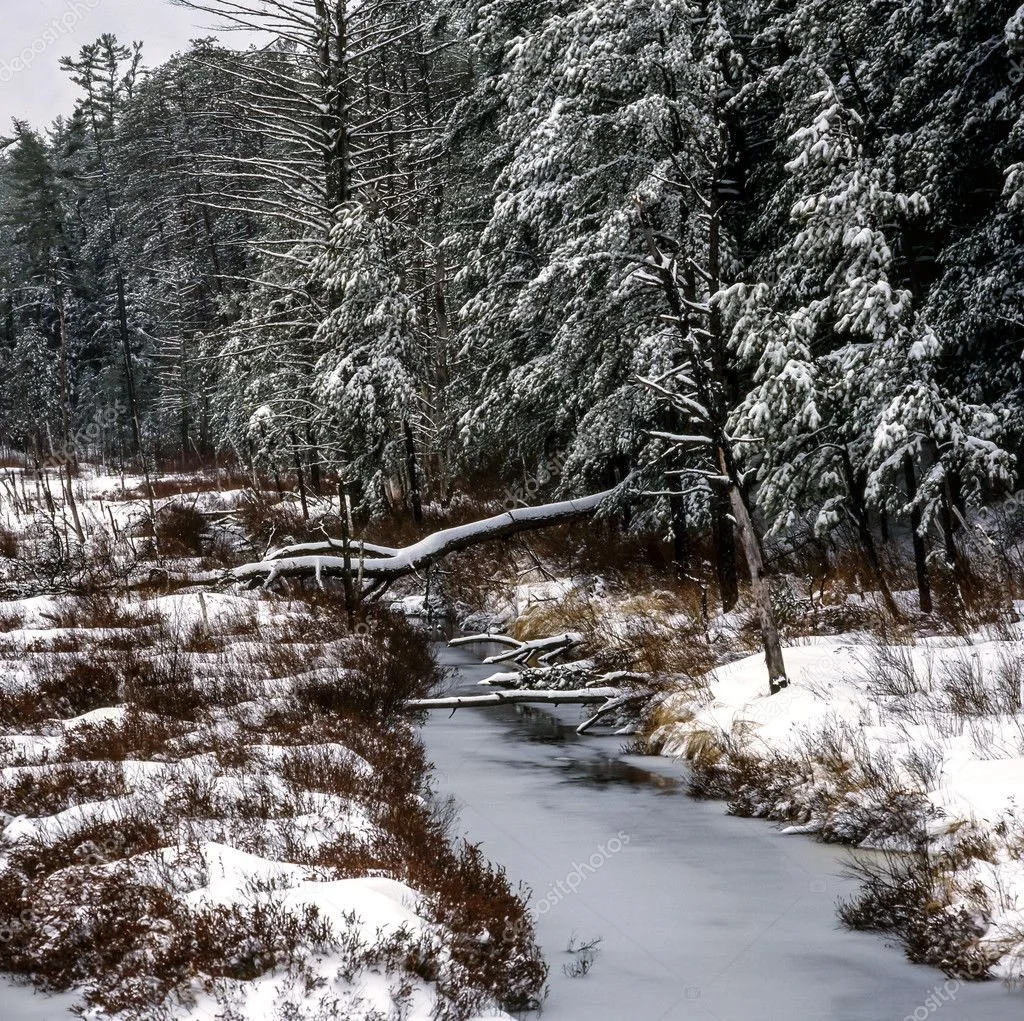
Incorporated in 1829, Waterville Valley is an island of 465 privately held acres nestled within 42,000 acres of the White Mountain National Forest. Once a farming and logging community, it grew into a summer resort before transforming into a year-round destination with the opening of the Waterville Valley Ski Area in 1966.
Today, the town welcomes thousands of visitors each season to enjoy its trails, slopes, golf, tennis, and vibrant Town Square — all while serving a year-round community of fewer than 700 residents with full municipal services.
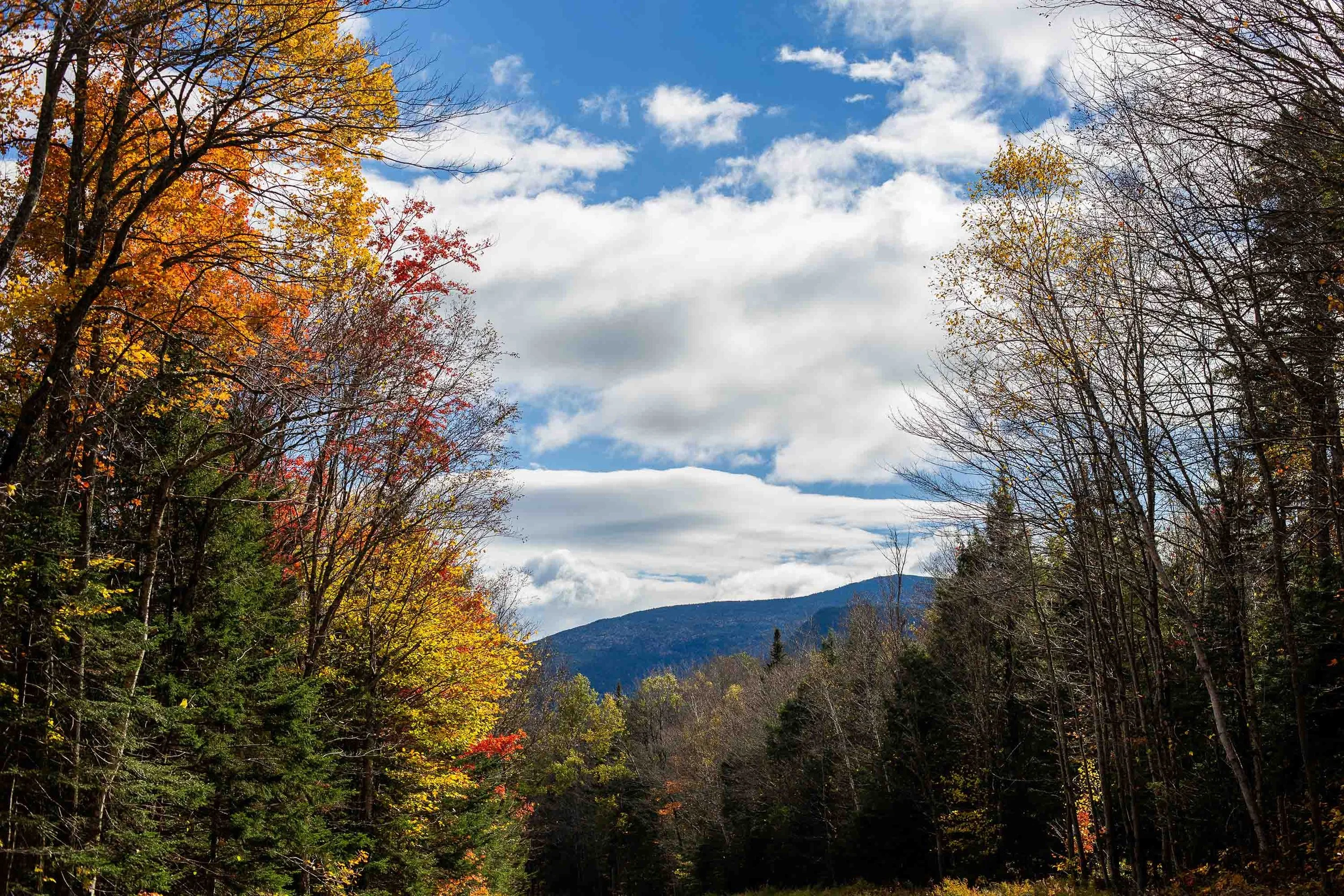
The White Mountain National Forest is a special place, treasured for its rivers, mountains, and wildlife. Life in Waterville Valley has always been about finding the right balance: making the most of recreation, tourism, and community life while protecting our amazing natural resources that make our Valley unique.
Building for the Future
A study is almost complete to evaluate the best available technologies to meet these new standards. Once complete, we will begin the design of a new treatment facility that:
Meets today’s permit limits and anticipates stricter future regulations (permits renew every five years),
Incorporates energy efficiency, resiliency, and operational efficiency into every element of design,
Uses smart monitoring and automated controls to help operators manage treatment 24/7/365,
Provides a 50+ year service life for key buildings and tanks, with proven, reliable equipment.
Wastewater treatment is continuous — every hour of every day. By investing in energy-efficient equipment, minimizing pumping needs, and reducing hydraulic losses, the new WWTF will also lower its overall environmental impact or “carbon footprint.”
Environmental Stewardship
Protecting the natural resources of Waterville Valley and the White Mountain National Forest is at the heart of this project. The new Wastewater Treatment Facility is being designed to:
Safeguard the Mad River, Corcoran Pond, and the Pemigewasset by meeting strict new EPA permit limits for nutrients and metals,
Protect the White Mountain National Forest, ensuring recreation in the Valley does not come at the expense of the surrounding environment,
Reduce our carbon footprint through energy-efficient equipment, minimized pumping, and optimized facility design,
Build resilience against storms, flooding, and other climate challenges so the facility remains reliable in all conditions.
Supporting Your Community
Waterville Valley is a small town with a big impact. On any given weekend, our population can swell from about 685 year-round residents to 4,000–6,000 people. Reliable wastewater treatment is essential not only for residents but also for:
Local businesses and recreation facilities,
Hotels, inns, and condominiums,
The ski area, golf course, and trail network,
The future growth and vitality of our resort community.
Planned developments in trails, lifts, hotels, and a new conference center all depend on sustainable wastewater treatment. Without an upgraded facility, these investments — and our town’s future — are at risk.
Cost and Funding
Upgrading the WWTF is a big investment. Like so much else, the building cost and materials have risen since voters approved $42 million back in 2020, delaying improvements will only make the project more expensive.
The Town is pursuing every available funding sources to ease the burden on taxpayers, including:
Low-interest loans through the NH Department of Environmental Services.
15% loan forgiveness and a 20% State Aid Grant eligibility.
Federal support through programs like USDA Rural Development and FEMA.
ARPA grants, including $100,000 for planning and $880,000 for preliminary and final design.
Even with tax impacts, Waterville Valley’s rate remains competitive compared to surrounding towns, especially given the high level of town services provided.
Our Commitment
The Selectboard is committed to building a durable, reliable, environmentally responsible WWTF that will serve Waterville Valley for decades to come. By acting now, we preserve our rivers and forests, protect public health, and maintain the integrity of this special place — the heart of the White Mountain National Forest.
This is about more than compliance. This project is about protecting what makes Waterville Valley unique, and investing responsibly in our shared future.